
2 min read

School’s back… and so are the bugs

School’s back… and so are the bugs
3:02

Our MD, Justin, shares some practical ways to survive “contagion central”.  

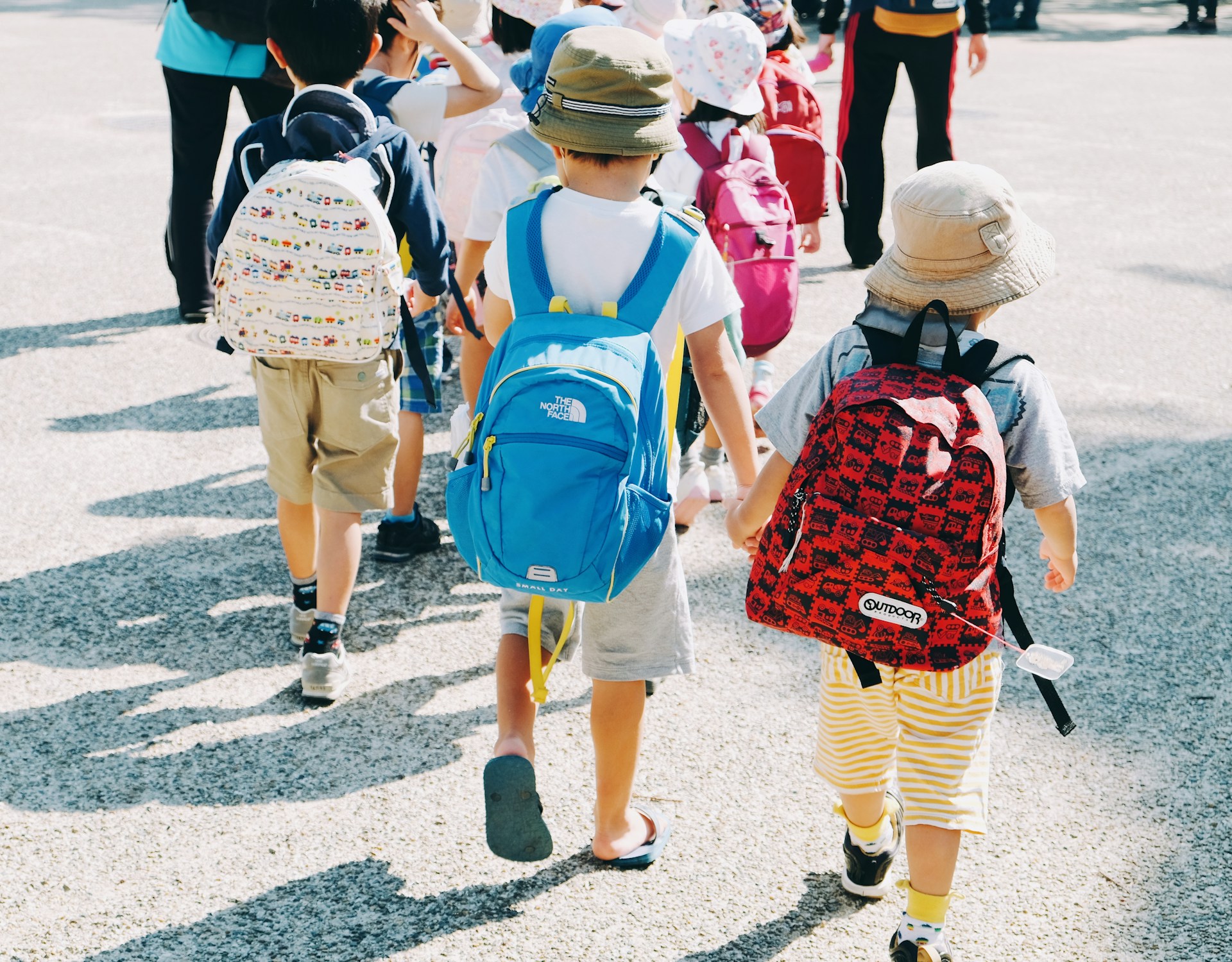
Do the summer holidays already feel like a distant memory? As a dad of young children, and a doctor, this cycle is all too familiar. As soon as daycare, kindy or school starts back, it doesn’t take long before kids are sharing more than just artwork for the fridge. 

In our house, we try to minimise the risk where we can… and do our best not to raise any super-spreaders. 

Why do kids catch everything? 

Early learning centres and schools are busy places. Kids share toys and playground equipment, touch everything, forget to wash their hands, and are still learning basic hygiene. Add developing immune systems into the mix, and new germs hit harder. 

It’s easy to blame the environment or “other kids”, but the reality is most children under five will catch up to a dozen illnesses each year. This is higher in the first 1–2 years of group care and gradually declines with age. It’s a normal part of how their immune system learns to respond. 

The usual repeat offenders 

  • Colds and chest infections 
  • Gastro bugs 
  • Rashes 

Most of these are viral and will pass with time, rest and fluids. Consider using paracetamol or ibuprofen if they are particularly miserable. 

Is it a battle worth fighting? 

It might feel like an uphill battle, but the basics really do help: 

  • Regular sleep 
  • Good nutrition 
  • Fresh air and movement 
  • Keeping immunisations up to date 
  • Regular handwashing 
  • Teaching kids not to share cups or bottles 
  • Cleaning shared toys (if someone sick has been over to play) 
  • Keeping children home when they’re unwell, in line with school or daycare policies 

When will it end? 

The good news is kids’ immune systems learn from exposure and usually become stronger around 6–8 years old. Illnesses tend to be less frequent and less severe, and by then, kids are generally better at hygiene (such as knowing to cover their mouth when they cough), which helps reduce exposure.  

When should your kids stay home? 

Keep your child home, or seek medical advice, if they have: 

  • Fever 
  • Breathing difficulty or persistent cough 
  • Vomiting or diarrhoea 
  •  Rapidly spreading or concerning rash 
  • A known contagious illness (e.g. gastro, influenza, COVID-19) 
  • Lethargy or reduced responsiveness 

If symptoms aren’t improving after a couple of days, check in with your GP. 
Every child has a unique medical profile, so individual situations should always be discussed with your doctor. 

Your childcare centre or early learning centre will also have clear illness guidelines. Balancing work and parenting are tough but following these policies helps protect everyone from an outbreak. 

Remember, if you are worried, it’s better to get help. 

My final tip? 

As parents, we need to look after ourselves too. If the captains go down, the passengers follow.  

Now, I think I will follow my own advice and head home for a good meal and some rest! 

Justin 

Kinkaya’s Urgent Care and GP services are here for the whole family. 

School’s back… and so are the bugs

School’s back… and so are the bugs

Our MD, Justin, shares some practical ways to survive “contagion central”. Do the summer holidays already feel like a distant memory? As a dad of...

Read More
“Ah! It’s 39°C!”. All About Your Baby’s High Fever

“Ah! It’s 39°C!”. All About Your Baby’s High Fever

The dreaded fever. One minute your little one is tearing through the tupperware drawer, the next they’re radiating heat like a mini radiator—and...

Read More
When to Skip the ED: The Parent’s Guide to Urgent Injuries

When to Skip the ED: The Parent’s Guide to Urgent Injuries

Let’s be real… Kids are tiny, adorable tornadoes. One minute they’re building a Lego castle, the next they’ve stacked it...or even hidden a piece of...

Read More