
1 min read

Paracetamol and Ibuprofen for Children: Safe Use and Dosage Guide

Paracetamol and Ibuprofen for Children: Safe Use and Dosage Guide
2:44

Learn how to safely give paracetamol and ibuprofen to children.

This practical guide from Dr Justin Withnall covers the questions parents ask us in clinic about the correct dosing and timing.

When our boys were younger, paracetamol and ibuprofen were staples in our medicine cabinet. Even now as teenagers, we keep the medicines on hand for the occasional fever or pain.

Paracetamol and ibuprofen are widely used to manage pain and fever in children. However, dosing errors are common, and there are important situations where extra caution is required.

Understanding the Difference

  • Paracetamol reduces pain and lowers fever.
  • Ibuprofen reduces pain, lowers fever, and reduces inflammation, which can be particularly helpful for sore throats, ear infections, teething, and minor injuries.

Both medicines can improve comfort in an unwell child. Fever itself is usually not harmful: it is a normal response to infection. Treatment should focus on the child’s comfort rather than the thermometer reading alone. Here’s a guide for parents and care givers:

DO:

  • Use weight-based dosing, as it is more accurate than age-based guidance.
  • Use the measuring device provided, such as an oral syringe or medicine spoon, since household teaspoons are not reliable.
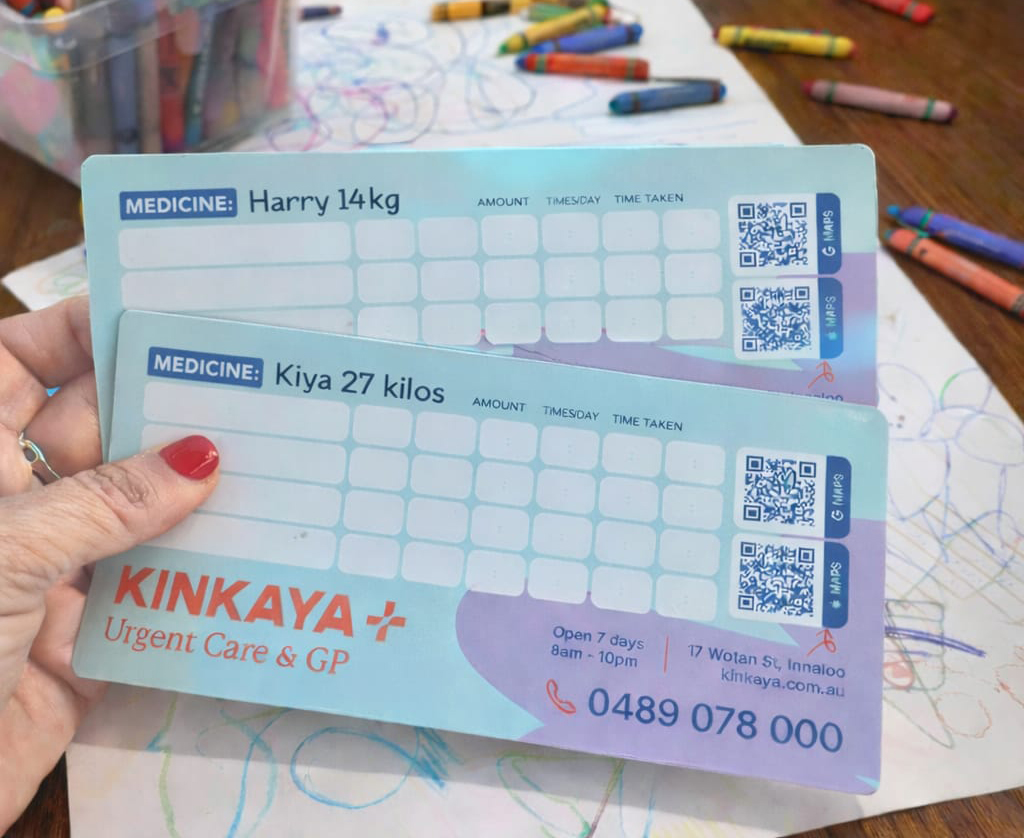
  • Keep a written record of doses, particularly overnight or when multiple caregivers are involved.
  • Keep up hydration, especially when giving ibuprofen.
  • Seek medical advice if a baby under three months has a fever, or if fever persists beyond a few days, or if your child appears unusually unwell.

DON’T:

  • Exceed the recommended number of doses per day.
  • Alternate between paracetamol and ibuprofen without medical advice.
  • Give ibuprofen if your child is dehydrated, vomiting persistently, has certain kidney conditions, or has been advised to avoid it.
  • Give aspirin to babies or children unless specifically prescribed.
  • Wake a comfortable, sleeping child solely to give fever medication.

If in Doubt

Paracetamol and ibuprofen are safe and effective when used correctly. Most problems arise from incorrect dosing, doses given too close together, or accidental duplication with combination products.

Fever in childhood is common and usually self-limiting. The priority is comfort, hydration, and monitoring, rather than aiming for a particular thermometer reading. Creating a quiet, cosy “sick bay” can help children rest while their body recovers.

As always, this guide is general in nature and does not consider individual medical circumstances. If in doubt, always seek professional advice.

Kinkaya provide free dosage tracking magnets at reception: some people like to use a separate one for each family member.

Paracetamol and Ibuprofen for Children: Safe Use and Dosage Guide

Paracetamol and Ibuprofen for Children: Safe Use and Dosage Guide

Learn how to safely give paracetamol and ibuprofen to children. This practical guide from Dr Justin Withnall covers the questions parents ask us in...

Read More
Asthma Doesn’t Mean Sitting on the Sidelines

Asthma Doesn’t Mean Sitting on the Sidelines

When your child has asthma or other lung conditions, it can be tempting to keep them away from swimming and other sports, thinking you are sparing...

Read More
School’s back… and so are the bugs

School’s back… and so are the bugs

Our MD, Justin, shares some practical ways to survive “contagion central”. Do the summer holidays already feel like a distant memory? As a dad of...

Read More