
2 min read

"Mum, I think it's broken." Now what?

"Mum, I think it's broken." Now what?
3:12

Whether it's a botched superman leap, a sibling wrestling match gone rogue, or just an unlucky fall at footy; sometimes kids break things. Sometimes that thing is a bone.


So...what do you do next?

When to call an ambulance or head to emergency?

If the injury is serious, call 000 immediately.

You should always seek emergency help if:

  • The injury happened in a major accident (car crash, fall from height etc.).
  • Your child is unconscious or unresponsive.
  • There is heavy or uncontrolled bleeding.
  • There is the possibility of head, neck or spinal injury.
  • The arm or leg is at an unusual angle or discoloured.
  • The bone is sticking through the skin.
  • There is severe bleeding or swelling.

Need a full first aid rundown? Please check out St John Ambulance Australia's guide.

Not an emergency? Kinkaya can help!

If you suspect your child has a broken done, dislocation or serious sprain- but it's not life threatening- Kinkaya Urgent Care is here to help.

Even if you're unsure, it's best to assume it is a fracture until proven otherwise.

And no. Please don't try and 'pop it back in'.

Here's what to do straight away:

  • Support and immobilise the area (use a splint if you have one).
  • If bandaging, make sure it's not too tight- check for warmth, colour and circulation every 15 min.
  • Don't try and straighten the limb or force anything into place.
  • Seek medical help- you are always welcome here at Kinkaya.

What happens at Kinkaya if a fracture is suspected?

1. Triage

When you arrive, our triage nurse will:

  • ask what happened.
  • Check for any other injuries.
  • get a brief medical history.
  • Start pain relief if needed.

2. Assessment

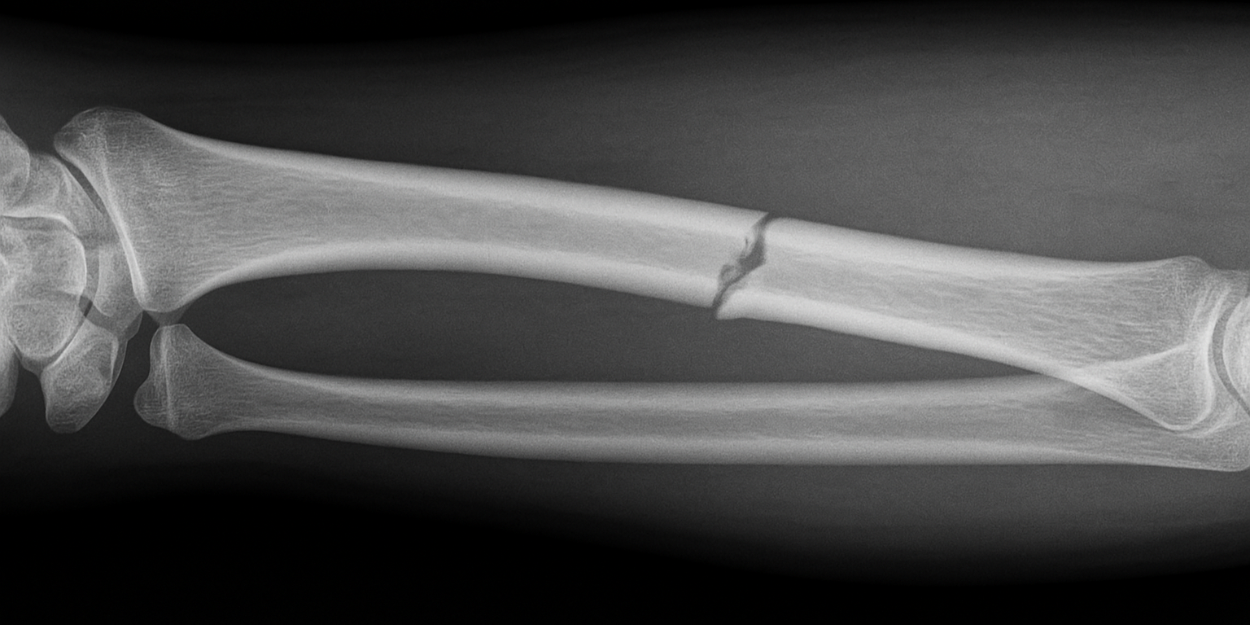
Our doctor will examine the injury. If a fracture or dislocation is suspected, we'll send you straight for an x-ray.

Yes, we now do x-rays on-site!

Our radiology service is now up and running, including evenings and weekends. That means less running around for you and faster answers.

Check our radiology hours here.

Learn more about x-rays at Kinkaya in this post.

Treatment plan for simple fractures.

Most simple fractures heal in around 6 weeks, but the exact approach depends on the type and location of the break.

Here's what a typical fracture journey at Kinkaya looks like:

Day 1: Assessment & immobilisation

  • We'll review the x-rays and immobilise the limb, usually with a back slab (a half cast with bandages). This allows room for swelling in the early days.
  • If there's major displacement, we may refer you to the hospital for orthopaedic review. Otherwise, we can manage your care right here at Kinkaya.

Week 1: Review & full cast

  • You'll come back for a follow-up x-ray.
  • If healing is on track, we'll put on the final cast.

Week 6: Cast off & final check

  • Cast is removed.
  • A final x-ray is taken to make sure the bone has healed.
  • If all is well- great! If not quite there, we'll either re-cast or refer for further orthopaedic care.

Useful resources.

For a full rundown on fractures and their management. here's some useful links:

Health Direct- fractures

Sydney Children's Hospital- fracture fact sheet

St John Ambulance- fracture & dislocation first aid fact sheet


Asthma Doesn’t Mean Sitting on the Sidelines

Asthma Doesn’t Mean Sitting on the Sidelines

When your child has asthma or other lung conditions, it can be tempting to keep them away from swimming and other sports, thinking you are sparing...

Read More
School’s back… and so are the bugs

School’s back… and so are the bugs

Our MD, Justin, shares some practical ways to survive “contagion central”. Do the summer holidays already feel like a distant memory? As a dad of...

Read More
“Ah! It’s 39°C!”. All About Your Baby’s High Fever

“Ah! It’s 39°C!”. All About Your Baby’s High Fever

The dreaded fever. One minute your little one is tearing through the tupperware drawer, the next they’re radiating heat like a mini radiator—and...

Read More